Situations That Bring Chattanooga Families to Our Office
No family anticipates needing a conservatorship. It becomes necessary when informal arrangements stop working and legal authority is the only way to protect someone who can no longer protect themselves. The following are the circumstances we encounter most often in our Chattanooga practice.
A Parent With Advancing Dementia
Cognitive decline tends to progress gradually, and families often manage for a long time before the situation reaches a point where informal help is no longer enough. The turning point usually comes when financial institutions, medical providers, or government agencies require formal legal authority before they will deal with a family member. If a durable power of attorney or healthcare power of attorney were never put in place, establishing a conservatorship is the only option available at that point.
We also see situations where a power of attorney was executed years earlier but is now being challenged, or where a financial institution refuses to honor it. A conservatorship order resolves those challenges and gives the conservator unambiguous legal authority recognized by every institution the family will need to deal with.
A Spouse or Family Member Who Suffered a Sudden Incapacitation
A stroke, serious accident, or sudden medical crisis can eliminate a person’s capacity almost overnight. In these situations, there is no time to plan. A spouse or adult child may find themselves unable to access joint accounts, authorize medical procedures, or make binding decisions because they have no legal authority to act. An emergency conservatorship may be available in the most urgent circumstances, and a full conservatorship proceeding can follow.
An Adult Child With an Intellectual or Developmental Disability
This is one of the most common and most overlooked situations we handle. When a child with an intellectual or developmental disability turns 18, Tennessee law recognizes them as a legal adult. From that point forward, their parents have no automatic authority to make decisions on their behalf, access their medical records, manage their government benefits, or enroll them in programs, even when the disability is significant and lifelong.
Planning ahead of that transition makes the process smoother, but we also help families who are past the age-18 mark and realizing for the first time that a legal framework is needed. Either way, conservatorship is typically the right answer.
Financial Exploitation of a Vulnerable Adult
Unfortunately, vulnerable adults are frequent targets of financial exploitation, sometimes by strangers and sometimes by people they trust. When a family member discovers that an elderly parent is being manipulated into transferring assets, signing documents they do not understand, or handing money to someone who is taking advantage of their condition, an emergency conservatorship may be the fastest way to stop the harm and begin recovering what was lost.



 John Crow
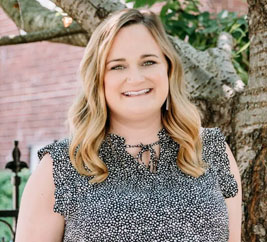 Julia Mynhier