Wills Attorney in Chattanooga, TN

Back to Locations

A wills lawyer in Chattanooga, TN helps individuals and families do one of the most important things they will ever do for the people they love: put a last will and testament in place that protects their assets, honors their wishes, and spares their family from unnecessary hardship after they are gone. At Crow Estate Planning and Probate, that is exactly what we do.

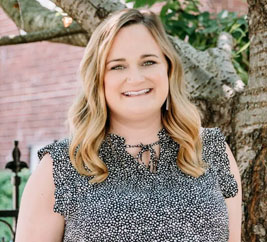
Our Chattanooga attorney, Scott Grant, is a Chattanooga native who has spent his entire career serving the families and business owners of this community. He knows this area, he knows the people here, and he knows what is at stake when a family trusts him with their estate plan. Whether you need a new will drafted from scratch, an outdated will brought up to date, or guidance through the probate process after a loved one has passed, Scott and our legal team are here to help.

We serve clients throughout Chattanooga, Cleveland, and the greater Chattanooga area, and we bring the same careful, personal approach to every matter we handle.

What a Wills Lawyer Actually Does

A lawyer that prepares wills does more than put words on paper. The lawyer’s job is to understand your family, your assets, and your goals, and then build a document that holds up when it counts. Here is what working with an experienced estate planning attorney actually looks like:

  • Reviewing your full asset picture. Your attorney looks at how your property is titled, how your beneficiary designations read, and how everything works together before a single word of your will is drafted.
  • Advising on executor selection. Choosing the right executor is one of the most consequential decisions in your estate plan. Your attorney helps you think through who is actually equipped to handle the responsibility, and whether a professional fiduciary makes more sense for your situation.
  • Coordinating with your other documents. A will does not work in isolation. Your attorney makes sure it aligns with your powers of attorney, living will, beneficiary designations, and any existing trusts so your full plan works as one.
  • Anticipating probate issues before they arise. An experienced wills attorney knows where estate plans break down in probate and drafts documents specifically to avoid those problems, including will contests, ambiguous language, and improperly executed provisions.
  • Guiding you through decisions that matter. Whether you need a testamentary trust for a child, direction on how to handle a business interest, or help thinking through a complicated family situation, your attorney is there to give you practical guidance, not just a form to sign.

Online Templates Can Be Problematic

Many people attempt to draft their own wills using online templates, and some of those documents are technically valid. But just because they are technically valid does not mean that they are advisable. 

Templates that you use online are as good as the information you feed them. They do not account for how your assets are titled, how your beneficiary designations interact with your estate, or how Tennessee probate law applies to your specific situation. In many circumstances, online wills can leave your family dealing with more complications than solutions.

The Real Cost of Not Having a Will in Chattanooga, TN

Most people in Chattanooga do not have a current, valid will. Some never got around to it. Others attempted to begin the process of talking to an estate planning lawyer years ago but never completed the process. Since that time, their family has changed, they started a new business, or their financial assets have significantly grown. Either way, the result is the same when they pass without a will: Tennessee law takes over, and the state decides what happens to everything they built.

Dying without a valid will is called dying intestate. When it happens, the Hamilton County Chancery Court distributes your estate according to a fixed legal formula under Tennessee’s intestacy statutes. The Court does not know your family. It does not know that you wanted your lake house to go to a certain family member, that one child needs more support than the other, or that your business partner was supposed to buy out your share. The Court applies the same rules to everyone, regardless of their circumstances.

For business owners, the consequences can be especially disruptive. Without a will that addresses your ownership interest, your stake in a company can become a frozen probate asset while your partners, employees, and clients are left waiting for a resolution that takes months or longer to arrive. The financial and relational damage during that window can be significant.

For families with property, the picture is equally complicated. If you own a home, rental property, or a family cabin in addition to your primary residence, those assets do not simply pass to your spouse without question. Depending on your family situation, Tennessee intestacy law may divide ownership in ways that create conflict, force a sale, or tie property up in probate far longer than anyone expected.

Getting a valid will in place is not complicated. The cost of not having one, measured in time, money, and family stress, is far greater than most people realize until they are the ones managing a loved one’s estate without one.


What Your Will Actually Does for Your Family

A last will and testament is the legal document that speaks for you after you are gone. It gives you the authority to direct your own estate rather than leaving those decisions to a court. When it is properly drafted, your will puts you in control of several things that matter deeply to the people you leave behind.

  • Name your beneficiaries. You decide who receives your property and assets, and in what amounts or shares, rather than letting a court apply a one-size-fits-all formula.
  • Appoint your executor. Your executor manages the probate process, pays your debts and taxes, and distributes your property according to your wishes. This is not a decision you want left to a judge.
  • Designate a guardian for minor children. If you have children under 18, your will should appoint a guardian Without one, that decision belongs to the court.
  • Protect loved ones with special needs. Your will can establish testamentary trusts for children, grandchildren, or family members who need ongoing financial support rather than a lump-sum inheritance, including those managing addiction, disability, or other sensitive issues.
  • Address your business interests. For many small business owners, your will is where you direct what happens to your ownership stake, whether that means a transfer to a family member, a buyout by your partners, or a liquidation, without leaving the business in limbo during probate.

Pay Attention to What Your Will Does Not Control

It is equally important to understand what your will does not control. Certain assets such as life insurance policies, retirement accounts, and bank or investment accounts with payable-on-death beneficiaries pass directly to the named beneficiaries. It does not matter what your will says. Jointly held property with right of survivorship transfers automatically as well. A thorough estate planning attorney makes sure your full picture, including everything inside and outside of probate, is coordinated so nothing falls through the cracks.

Making Sure Your Will Is Valid Under Tennessee Law

Tennessee has specific requirements for a will to be legally valid. It must be in writing, signed by you, and witnessed by at least two people who are present at the same time during the signing. Meeting those requirements is the baseline. Building a will that actually holds up under pressure requires more than that.

Self Proving Affidavits

One of the most important steps our attorneys take at every will signing is preparing a self-proving affidavit. This is a sworn statement, signed by your witnesses in front of a notary, confirming that they personally observed you execute the will. Once that affidavit is in place, the Hamilton County probate court can admit your will without tracking down your witnesses or requiring them to appear and testify. That step alone can save your family weeks of delay and real legal expense during an already difficult time.

We have seen what happens when that step is skipped. An older will, executed years earlier, without a self-proving affidavit, can create significant problems in probate when witnesses have moved, passed away, or simply cannot be located. The process becomes harder, slower, and more expensive for the family left behind. We include this as a standard part of every signing because the cost of skipping it is never worth it.

Handwritten Wills

Tennessee also recognizes holographic wills, which are wills written entirely in your own handwriting without witnesses. While valid in Tennessee, holographic wills are far more vulnerable to disputes in probate and can be difficult to interpret. If you have a handwritten will in a drawer somewhere, it is worth having it reviewed.

How Your Will Fits Into a Broader Estate Plan

A will is the foundation of most estate plans, but it rarely works alone. For many of our Chattanooga clients, especially those with multiple properties, retirement savings, business interests, or aging parents who may eventually need care, a complete estate plan involves several coordinated documents working together.

The documents that most commonly work alongside your will include:

  • Durable power of attorney. Names someone to manage your financial affairs if you become incapacitated before you pass.
  • Healthcare power of attorney. Appoints an individual to make healthcare decisions if you are unable to make them yourself.
  • Living will. Documents your wishes regarding life-sustaining treatment so your family is never left guessing during one of the hardest moments of their lives.
  • Revocable living trust. For clients with significant assets, privacy concerns, or the desire to avoid probate, a living trust works alongside your will to transfer assets directly to beneficiaries without court involvement.

For clients concerned about long-term care costs or protecting assets from estate administration expenses, we also help with irrevocable trusts and long-term care planning strategies. These are conversations worth having before a health crisis forces them. Our Chattanooga estate planning attorney helps you think through all of it in a way that makes sense for your specific family and financial picture.

Keeping Your Will Current as Your Life Changes

One of the most common mistakes we see is a will that was drafted years ago and never revisited. The family has grown, the finances have changed, a named executor has passed away, or a beneficiary relationship has shifted in ways that make the original document a poor reflection of what the person actually wants. A will that does not match your current life can create as many problems as no will at all.

You should review your will after any of the following:

  • A marriage, divorce, or remarriage
  • The birth or adoption of a child or grandchild
  • The death of a named beneficiary, executor, or guardian
  • A significant change in your assets, savings, or finances
  • Starting, acquiring, or selling a business
  • Purchasing a vacation home, rental property, or additional real estate
  • A move to Tennessee from another state

We also work with clients who have moved to Chattanooga from other states and still have documents drafted under the laws of a different jurisdiction. Out-of-state wills are often technically valid in Tennessee, but they frequently lack a self-proving affidavit, reference laws that do not apply here, or name executors who no longer meet Tennessee’s requirements. A review is straightforward and gives you confidence that your plan will work the way you intend it to when your family needs it.

Working With a Chattanooga Native Scott Grant

Scott Grant grew up here. He went to school here. He has watched Chattanooga grow and change over the decades, and he has built his career helping the families and business owners of this community protect what matters most to them. When you sit down with Scott, you are talking to someone who has real roots here and a genuine stake in the well-being of this community.

Scott’s practice covers wills, estate planning, trust and estates, probate, and business succession planning. He understands that many Chattanooga families have both personal estate planning needs and business planning needs that are deeply connected, and he brings experience in both areas to every client relationship.

He also understands that these conversations involve sensitive issues. Talking about what happens when you die, who gets what, and how your family will manage without you is not easy. Scott approaches those conversations with care, directness, and the kind of practical guidance that helps clients make decisions they feel confident in, not ones they feel pressured into.

Our Chattanooga office also assists clients with elder law matters, conservatorships, guardianships, and long term care planning for those managing the challenges of aging parents or a spouse who needs additional support. These are legal needs that often intersect with estate planning, and having a legal team that handles all of it means your plan is coordinated from the start.

Frequently Asked Questions About Wills in Chattanooga, TN

Yes, in most cases. Having a valid will does not avoid probate. What it does is court a clear set of instructions to follow. It names your executor, identifies your beneficiaries, and establishes your wishes in a legally binding document. Without a will, the court has to apply Tennessee’s intestacy statutes and appoint an administrator, which adds time, cost, and uncertainty to the process.

That said, not all assets have to go through probate at all. Life insurance proceeds, retirement accounts, accounts with payable-on-death beneficiaries, and jointly held property with right of survivorship typically transfer directly to the named beneficiary outside of probate entirely. For clients who want to minimize or avoid probate for certain assets, a revocable living trust is often a good option to discuss. Our Chattanooga estate planning attorneys can help you understand what will and will not go through probate under your current plan, and whether any changes make sense for your situation.

They can be, but valid and well-drafted are two very different things. An online will that is properly signed and witnessed meets the technical requirements under Tennessee law. The problem is that most online templates are generic by design. They are not built around your specific assets, your family dynamics, your business interests, or the way your property is titled. They also do not account for how your will interacts with your beneficiary designations, your existing trusts, or your powers of attorney.

We regularly work with families who are managing the estate of a loved one who used an online will, and the gaps those documents leave behind are often significant. A will that technically passes probate can still fail to carry out your actual wishes if it was not drafted with your full picture in mind. The cost of having a will properly prepared by an experienced attorney is modest compared to the cost, in time and family stress, of fixing the problems a poorly drafted document leaves behind.

Yes, and this is one of the most important, and most overlooked, parts of estate planning for business owners. Without clear direction in your estate documents, your ownership interest becomes a probate asset. That can freeze business operations, create conflict with partners or co-owners, and leave your family in a difficult position while the estate is being administered. Your will, coordinated with any buy-sell agreements or business succession documents already in place, should establish exactly what happens to your ownership stake and who has the authority to act on the business’s behalf during the probate process. Business succession planning is a core part of what Scott does for Chattanooga business owners, and we bring both estate planning and business law expertise to those conversations.

Wills are most commonly challenged on grounds of lack of testamentary capacity, meaning the person did not understand what they were signing, undue influence by another person, fraud, or improper execution. Estates with significant assets, blended families, or estranged relatives carry a higher risk of dispute. The single most effective protection is having your will professionally drafted and properly executed from the start. Our attorneys have handled will contests on both sides of the table, and we use that litigation experience to build documents that are far more difficult to challenge. We also document the signing process carefully, which provides an important record if a dispute ever arises.

Yes, and this surprises a lot of clients. A revocable living trust only controls the assets that have actually been transferred into it. In practice, there are almost always assets that remain outside the trust, whether because they were acquired after the trust was created, or because the transfer was never completed. A pour-over will captures those remaining assets and directs them into the trust through the probate process, preventing them from passing under Tennessee intestacy law instead. If you have a trust and no pour-over will, part of your estate may not go where you intended. Our attorneys make sure your will and trust are properly coordinated so your full estate plan works as one.

Probably, but probably is not the same as definitely, and it is worth finding out before your family is the one sorting it out in probate court. Out-of-state wills are generally recognized in Tennessee if they were valid where they were signed, but they often create practical problems here. Some lack a self-proving affidavit, which means your witnesses will need to be located and contacted during probate. Some reference executor requirements or spousal rights from another state that differ from Tennessee law. Others were simply drafted under circumstances that no longer match your life. A review of your existing documents is a straightforward appointment that gives you real confidence your plan will hold up under Tennessee law.

Ready to Talk to a Chattanooga Wills Lawyer?

You have worked hard for what you have. The people in your life depend on you, and they deserve to know that the plan is in place. A will drafted by an experienced attorney is one of the most direct, meaningful things you can do to protect your family and give yourself genuine peace of mind.

Scott Grant and the team at Crow Estate Planning and Probate serve clients throughout Chattanooga, Cleveland, and the greater Hamilton County area. Whether you are starting from scratch, updating an outdated plan, or managing a complex estate that involves business interests, multiple properties, or aging parents, we are here to help you build something that works.

Contact our Chattanooga office to schedule your consultation. Call us or reach out online. We will take the time to understand your situation and help you put a plan in place that you and your family can count on.

CONTACT US CALL OUR CHATTANOOGA OFFICE
A high-angle, wide-view landscape of a city skyline with various commercial buildings and rooftops during the day.

Get in Touch With Us

Please fill out the form and someone will be in contact with you as soon as possible.

    In-PersonVideo CallTelephone Call

    Never share sensitive information (credit card numbers, social security numbers, passwords) through this form.. This site is protected by reCAPTCHA and the Google Privacy Policy and Terms of Service apply.

    Latest News

    View all posts